How To Make Candles Last Longer
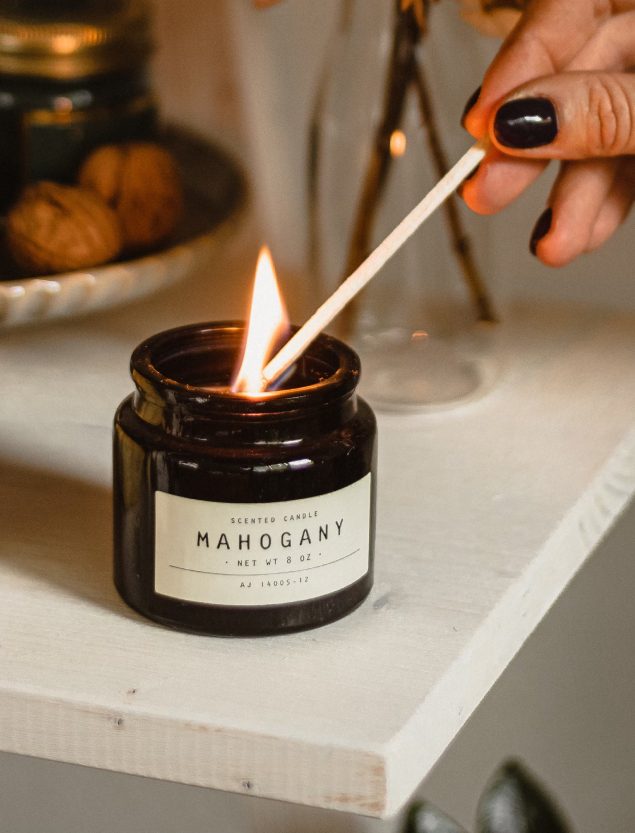
A well-made candle represents a small investment in the atmosphere of your home. Making that investment last requires more than simply lighting the wick and letting it burn. The difference between a candle that disappears after a few nights and one that provides consistent warmth for weeks comes down to three specific practices: the initial burn, consistent maintenance, and knowing when to stop.
The First Burn Sets the Memory
The most critical moment in a candle’s life is the first time you light it. Wax has memory. It will only melt as far as it did during that initial burn, creating a melt pool that dictates how the candle behaves forever. If you extinguish the flame after thirty minutes, the wax hardens with a small tunnel carved through the center. Every subsequent burn follows that same narrow path, leaving wax wasted on the sides and the wick struggling to survive in a deepening hole.
The rule is simple. Let the candle burn until the entire top layer becomes liquid, reaching edge to edge of the container. For a standard three-inch vessel, this takes approximately one hour per inch of diameter. A wide jar may need three or four hours. This patience ensures an even burn for the life of the candle.
Trimming Is Not Optional
A wick left untrimmed creates problems that compound with every use. A long wick produces a tall, dancing flame that licks the sides of the glass, leaving black soot marks that cannot be wiped away. It also burns through fragrance oil too quickly, overheating the wax and causing the scent to dissipate before its time. The flame gasps for oxygen and struggles to stay steady.
Before each lighting, trim the wick to one-quarter inch. Use a proper wick trimmer or small scissors, and remove the curled black tip from the previous burn. This keeps the flame controlled, the smoke minimal, and the fragrance release steady. It also prevents the glass from cracking due to uneven heating.
Position Away From Drafts
A candle flickering in a breeze looks charming but performs poorly. Air movement disturbs the flame, causing it to burn unevenly and lean to one side. This tilting causes wax to melt faster on one edge while the other remains solid, ruining the even burn you worked to establish. The flame also consumes wax at an accelerated rate, shortening the total hours of enjoyment.
Place burning candles away from open windows, ceiling fans, and air conditioning vents. A still flame burns slower, cleaner, and more completely.
Know When To Release
There comes a point when a candle has given everything it has. When less than half an inch of wax remains at the bottom, the heat from the flame becomes dangerous to the container. The glass can overheat and crack, and the flame may begin to consume the metal tab that anchors the wick. This produces an unpleasant chemical smell and poses a risk of injury.
Letting go at the right moment protects your surfaces and signals respect for the craftsmanship inside the jar. The candle served its purpose. Light the next one with the same care.
Subscribe To Our Newsletter
Subscribe for your email and get 10% off your first order!

COPYRIGHT 2024 © Dees Scents From Heaven. ALL RIGHTS RESERVED.
